
Cataract Surgery
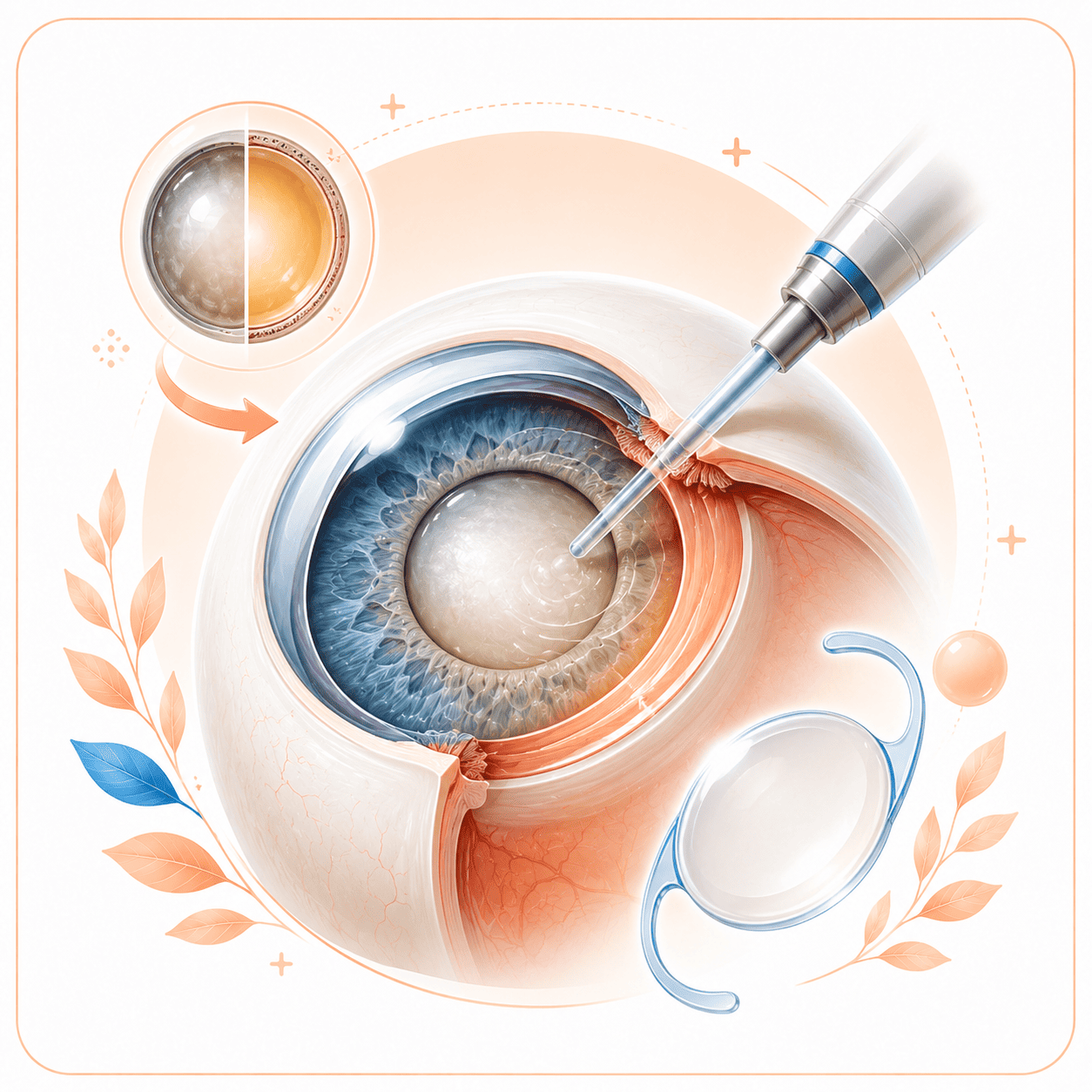
Cataract Surgery is a procedure that removes the eye's cloudy natural lens and replaces it with a clear intraocular lens (IOL). It is one of the most commonly performed procedures for restoring vision affected by cataracts.
Need help in choosing the right package for your medical trip?
Chat to our experts nowYour health data is protected with us
Why Choose us?
Value
Focused care
0+
Ophthalmology Doctors
1+
Cataract Surgery
9+
Hospitals Around the world
100%
Privacy protected
Overview
1. What is Cataract Surgery?
A cataract is clouding of the natural lens inside the eye, which can make vision blurry or hazy. Cataract surgery removes the cloudy lens and replaces it with a clear artificial lens.
2. When is it Recommended?
It may be recommended when a cataract begins to interfere with daily activities such as reading, driving, working or recognising faces, and vision can no longer be adequately improved with glasses.
3. What Symptoms May a Patient Notice?
Common symptoms include blurred or cloudy vision, difficulty seeing at night, glare or halos around lights, faded colours, increased sensitivity to light and frequent changes in glasses prescription.
4. What Does the Treatment Involve?
The surgeon makes a small opening in the eye, breaks up and removes the cloudy lens, and places a clear intraocular lens (IOL) in its position.
5. What Are the Main Treatment Options?
Common approaches include phacoemulsification cataract surgery and, in selected cases, femtosecond laser-assisted techniques. Patients may choose different types of intraocular lenses, including monofocal, multifocal or extended-depth-of-focus lenses, depending on their visual needs.
6. How Long Does Treatment & Recovery Take?
Cataract surgery commonly takes around 15–30 minutes and is usually performed as a day-care procedure. Vision often begins improving within a few days, while complete healing generally takes several weeks.
7. What Are the Important Risks or Considerations?
Cataract surgery has a high success rate, with modern studies reporting excellent visual outcomes in the vast majority of patients. Possible complications include infection, inflammation, retinal problems, increased eye pressure or posterior capsule opacification, although serious complications are uncommon.
8. Why Consider Treatment in India?
India has specialised eye hospitals and ophthalmic centres offering modern cataract surgery, advanced intraocular lenses and experienced cataract surgeons, providing international patients access to comprehensive eye-care facilities.
9. How Can Medavelle Help?
Medavelle can assist with eye-report review, ophthalmologist and hospital coordination, intraocular lens discussions, treatment planning, international patient arrangements and follow-up coordination.
10. What Should the Patient Do Next?
Share your eye reports → Ophthalmology evaluation → Cataract & eye assessment → Treatment recommendation → Treatment planning in India.
Top Ophthalmology Hospitals
World-class healthcare facilities specializing in Cataract Surgery with state-of-the-art technology









Expert Doctors for Cataract Surgery
Board-certified specialists with experience in ophthalmology treatment planning