

Advanced Corneal Transplantation
Advanced Corneal Transplantation involves replacing damaged or diseased corneal tissue with healthy donor tissue to restore or improve vision. Modern techniques can replace only the affected layer of the cornea, depending on the patient's condition.
Need help in choosing the right package for your medical trip?
Chat to our experts nowYour health data is protected with us
Why Choose us?
Value
Focused care
0+
Ophthalmology Doctors
1+
Advanced Corneal Transplantation
9+
Hospitals Around the world
100%
Privacy protected
Overview
1. What is Advanced Corneal Transplantation?
The cornea is the clear front surface of the eye that helps focus light and provides clear vision. Corneal transplantation replaces damaged corneal tissue with healthy donor tissue.
2. When is Treatment Recommended?
It may be recommended when the cornea becomes severely damaged, scarred or cloudy due to keratoconus, corneal dystrophy, previous eye surgery, infection, injury or other corneal diseases.
3. What Symptoms May a Patient Notice?
Common symptoms include blurred or reduced vision, sensitivity to light, eye discomfort, redness, excessive watering and difficulty seeing clearly.
4. What Does the Treatment Involve?
The surgeon replaces the damaged portion of the cornea with healthy donor tissue. Where appropriate, modern techniques can replace only the affected corneal layer rather than the entire cornea.
5. What Are the Main Treatment Options?
Depending on the affected corneal layer, options include DMEK, DSAEK, DALK and penetrating keratoplasty (PK). The appropriate technique is selected according to the underlying condition.
6. How Long Does Treatment & Recovery Take?
The procedure commonly takes around 1–2 hours and may be performed as a day-care procedure. Vision generally improves progressively, with recovery ranging from weeks to several months, depending on the technique and individual healing.
7. What Are the Important Risks or Considerations?
Advanced corneal transplantation has demonstrated favourable visual and graft outcomes. Published studies have reported 93% of DMEK eyes achieving 6/12 vision or better within five years in patients with Fuchs' dystrophy. Regular follow-up remains important to monitor graft health and vision.
8. Why Consider Treatment in India?
India has specialised corneal and ophthalmic centres offering advanced transplantation techniques such as DMEK, DSAEK and DALK, providing international patients access to specialised corneal surgeons and modern eye-care facilities.
9. How Can Medavelle Help?
Medavelle can assist with medical report review, corneal specialist and hospital coordination, treatment planning, international patient arrangements and follow-up coordination.
10. What Should the Patient Do Next?
Share your eye reports → Corneal specialist evaluation → Corneal assessment → Treatment recommendation → Treatment planning in India.
Top Ophthalmology Hospitals
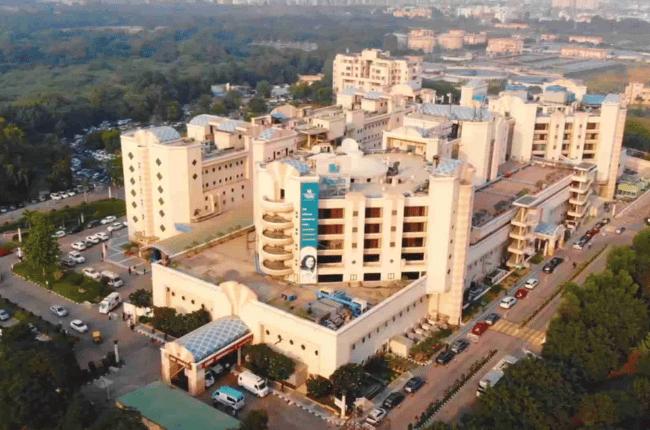
World-class healthcare facilities specializing in Advanced Corneal Transplantation with state-of-the-art technology








Expert Doctors for Advanced Corneal Transplantation
Board-certified specialists with experience in ophthalmology treatment planning