
Cancer Treatment
Cancer Treatment involves treating cancer according to its type, stage and biological characteristics. Depending on the diagnosis, treatment may include surgery, chemotherapy, radiation therapy, targeted therapy, immunotherapy or a combination of treatments.
Need help in choosing the right package for your medical trip?
Chat to our experts nowYour health data is protected with us
Why Choose us?
Value
Focused care
4+
Oncology Doctors
1+
Cancer Treatment
9+
Hospitals Around the world
100%
Privacy protected
Overview
1. What is Cancer Treatment?
Cancer treatment aims to remove, destroy, control or slow the growth of cancer cells while preserving the patient's health and quality of life as much as possible.
2. When is it Recommended?
Treatment is recommended after confirming the type, stage and characteristics of the cancer. The treatment plan depends on factors such as the cancer's location, extent of spread, molecular findings and the patient's overall health.
3. What Symptoms May a Patient Notice?
Symptoms vary according to the cancer and may include an unexplained lump, persistent pain, unexplained weight loss, prolonged fever, unusual bleeding, persistent cough, changes in bowel or urinary habits or prolonged tiredness. Some cancers cause no symptoms in their early stages.
4. What Does the Treatment Involve?
Treatment may involve surgery to remove cancer, chemotherapy, radiation therapy, targeted medicines, immunotherapy, hormone therapy or stem cell transplantation, depending on the diagnosis.
5. What Are the Main Treatment Options?
The main approaches include surgery, systemic medicines and radiation therapy. Many patients receive a combination, such as surgery followed by chemotherapy or radiation therapy, depending on the cancer.
6. How Long Does Treatment & Recovery Take?
Treatment duration varies significantly. Surgery may require days to weeks of recovery, while chemotherapy, radiation therapy or other systemic treatments may continue for several weeks or months. Some patients require longer-term treatment or monitoring.
7. What Are the Important Risks or Considerations?
Cancer treatment has advanced significantly, but outcomes vary according to the type, stage, molecular characteristics and response to treatment. Treatment may cause side effects such as fatigue, nausea, infection risk, hair loss or changes in blood counts, depending on the therapy.
8. Why Consider Treatment in India?
India has specialised oncology and cancer centres offering multidisciplinary cancer care, advanced diagnostic testing, cancer surgery, radiation therapy, chemotherapy, targeted therapy and immunotherapy.
9. How Can Medavelle Help?
Medavelle can assist with pathology and medical report review, oncologist and surgeon coordination, hospital selection, treatment planning, international patient arrangements and follow-up coordination.
10. What Should the Patient Do Next?
Share your reports → Oncology evaluation → Diagnosis & staging → Treatment recommendation → Treatment planning in India.
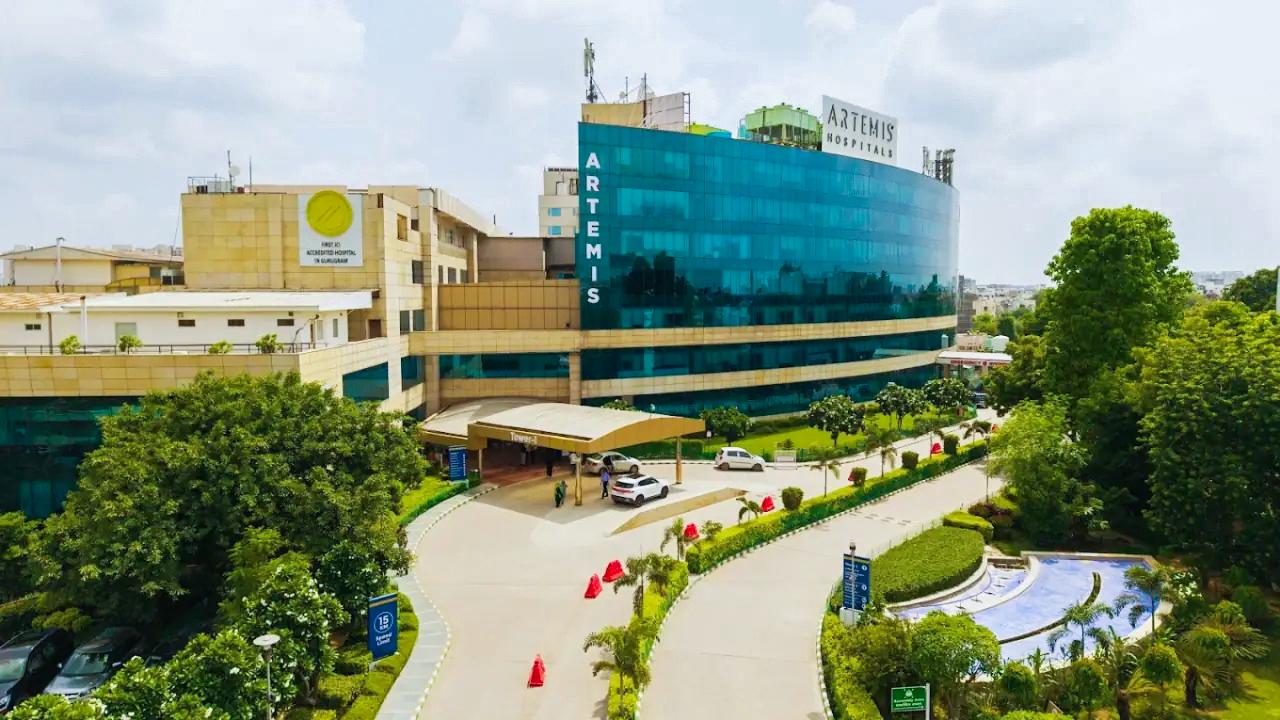
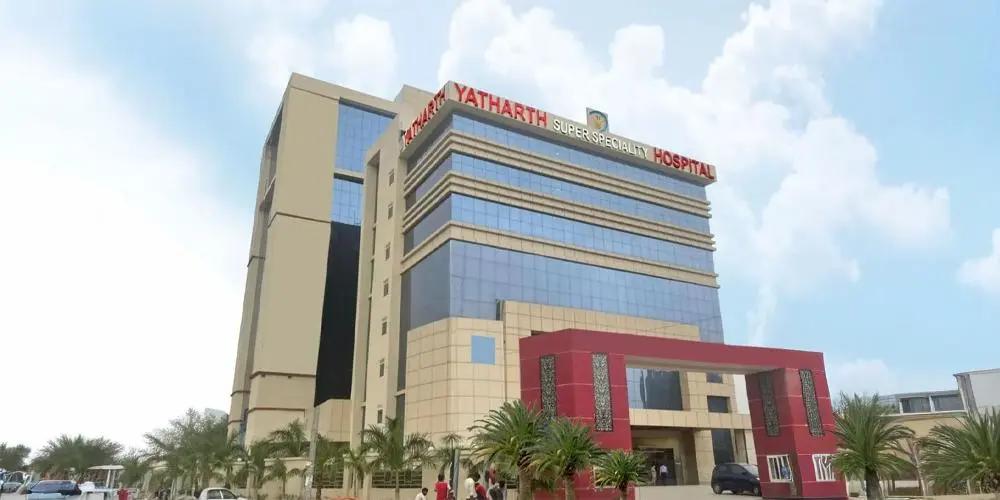
Top Oncology Hospitals
World-class healthcare facilities specializing in Cancer Treatment with state-of-the-art technology






Expert Doctors for Cancer Treatment
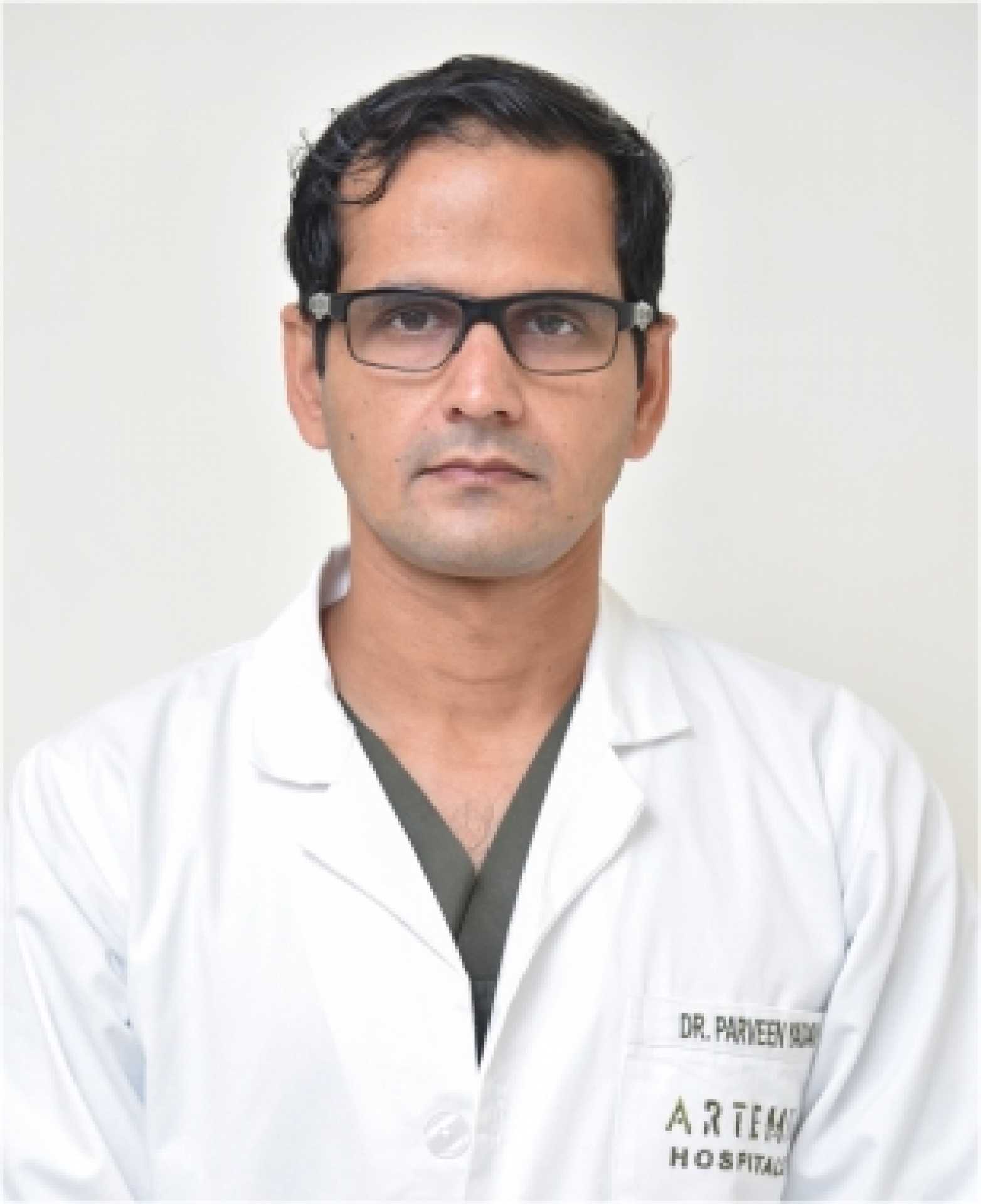
Board-certified specialists with experience in oncology treatment planning