Bone Marrow Transplant (BMT)
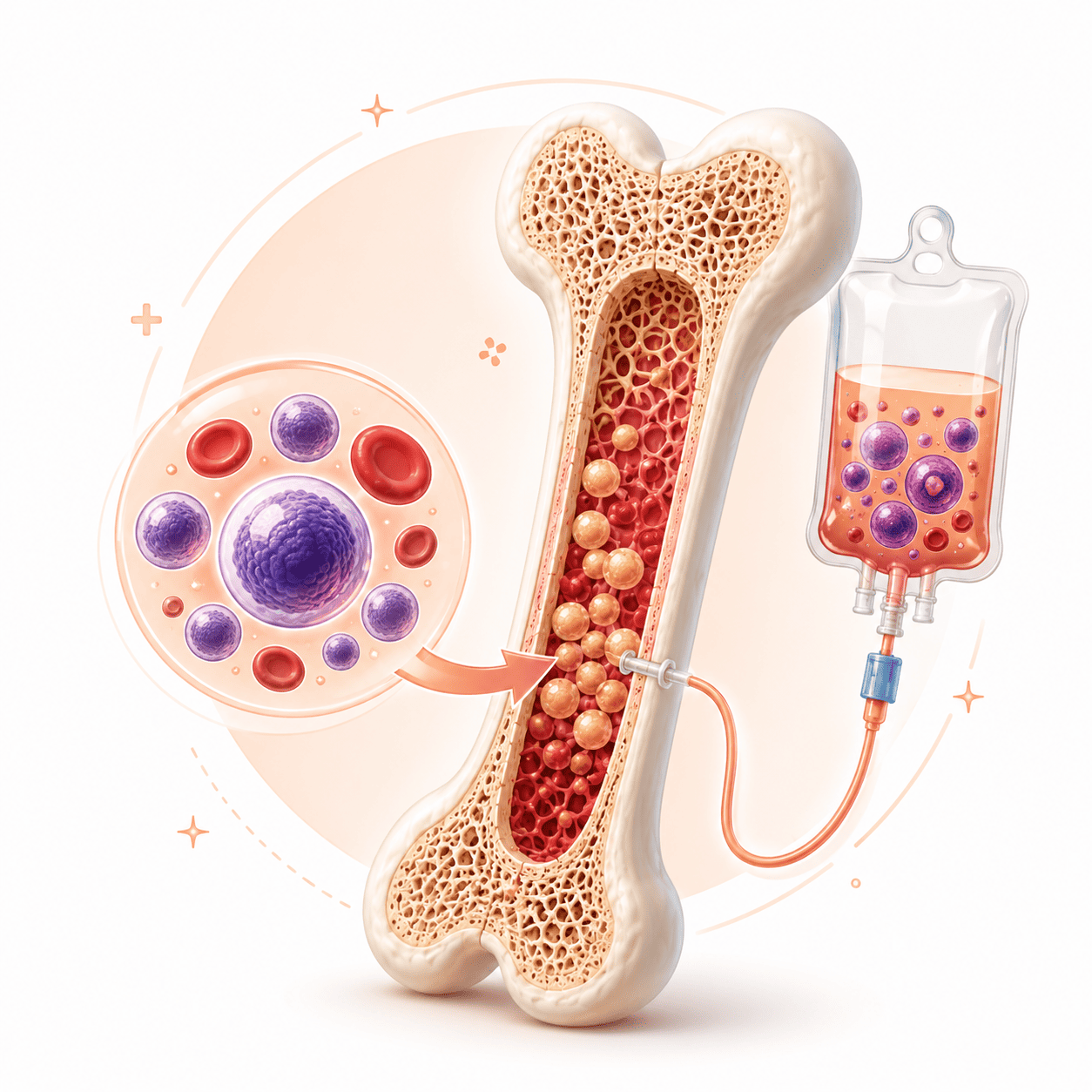
Bone Marrow Transplant (BMT), also called a Hematopoietic Stem Cell Transplant (HSCT), replaces damaged or diseased blood-forming cells with healthy stem cells. It may be used to treat certain blood cancers and other serious blood or immune-system disorders.
Need help in choosing the right package for your medical trip?
Chat to our experts nowYour health data is protected with us
Why Choose us?
Value
Focused care
4+
Oncology Doctors
1+
Bone Marrow Transplant (BMT)
3+
Hospitals Around the world
100%
Privacy protected
Overview
1. What is Bone Marrow Transplant?
Bone marrow transplant replaces unhealthy or damaged blood-forming stem cells with healthy stem cells. The new cells can develop into healthy blood cells and rebuild the patient's blood-forming system.
2. When is it Recommended?
It may be recommended for selected patients with conditions such as leukemia, lymphoma, multiple myeloma, aplastic anemia, myelodysplastic syndromes and certain inherited blood or immune disorders.
3. What Symptoms May a Patient Notice?
Symptoms depend on the underlying disease and may include persistent tiredness, frequent infections, fever, unexplained bruising or bleeding, weakness, weight loss or abnormal blood counts.
4. What Does the Treatment Involve?
Treatment generally involves conditioning therapy using chemotherapy, with or without radiation, followed by an infusion of healthy stem cells through a vein. The stem cells then travel to the bone marrow and begin producing new blood cells.
5. What Are the Main Treatment Options?
The main types are autologous transplant, using the patient's own stem cells, and allogeneic transplant, using stem cells from a donor. The appropriate approach depends on the underlying disease and treatment plan.
6. How Long Does Treatment & Recovery Take?
The initial transplant process generally involves several weeks in hospital or close medical care. Blood-cell recovery often takes a few weeks, while complete immune-system recovery can take several months or longer, particularly after an allogeneic transplant.
7. What Are the Important Risks or Considerations?
BMT is an established treatment with outcomes that vary substantially according to the underlying disease, disease status, age and transplant type. Published studies report long-term survival rates above 80% for selected patients with some blood disorders, while outcomes can be lower in advanced or high-risk disease. Important considerations include infections, organ complications and, after allogeneic transplantation, graft-versus-host disease (GVHD).
8. Why Consider Treatment in India?
India has specialised bone marrow transplant and haematology centres offering autologous and allogeneic transplantation, supported by transplant physicians, specialised laboratories, blood banks and dedicated infection-control facilities.
9. How Can Medavelle Help?
Medavelle can assist with medical report review, haematologist and transplant-centre coordination, donor and treatment assessment, hospital selection, treatment planning, international patient arrangements and follow-up coordination.
10. What Should the Patient Do Next?
Share your medical reports → Transplant specialist evaluation → Disease & donor assessment → Treatment recommendation → Transplant planning in India.
Top Oncology Hospitals
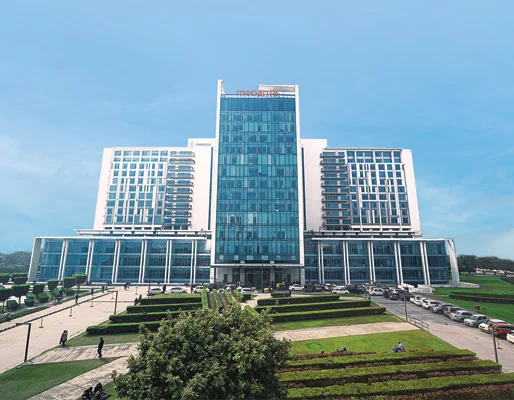
World-class healthcare facilities specializing in Bone Marrow Transplant (BMT) with state-of-the-art technology


Expert Doctors for Bone Marrow Transplant (BMT)
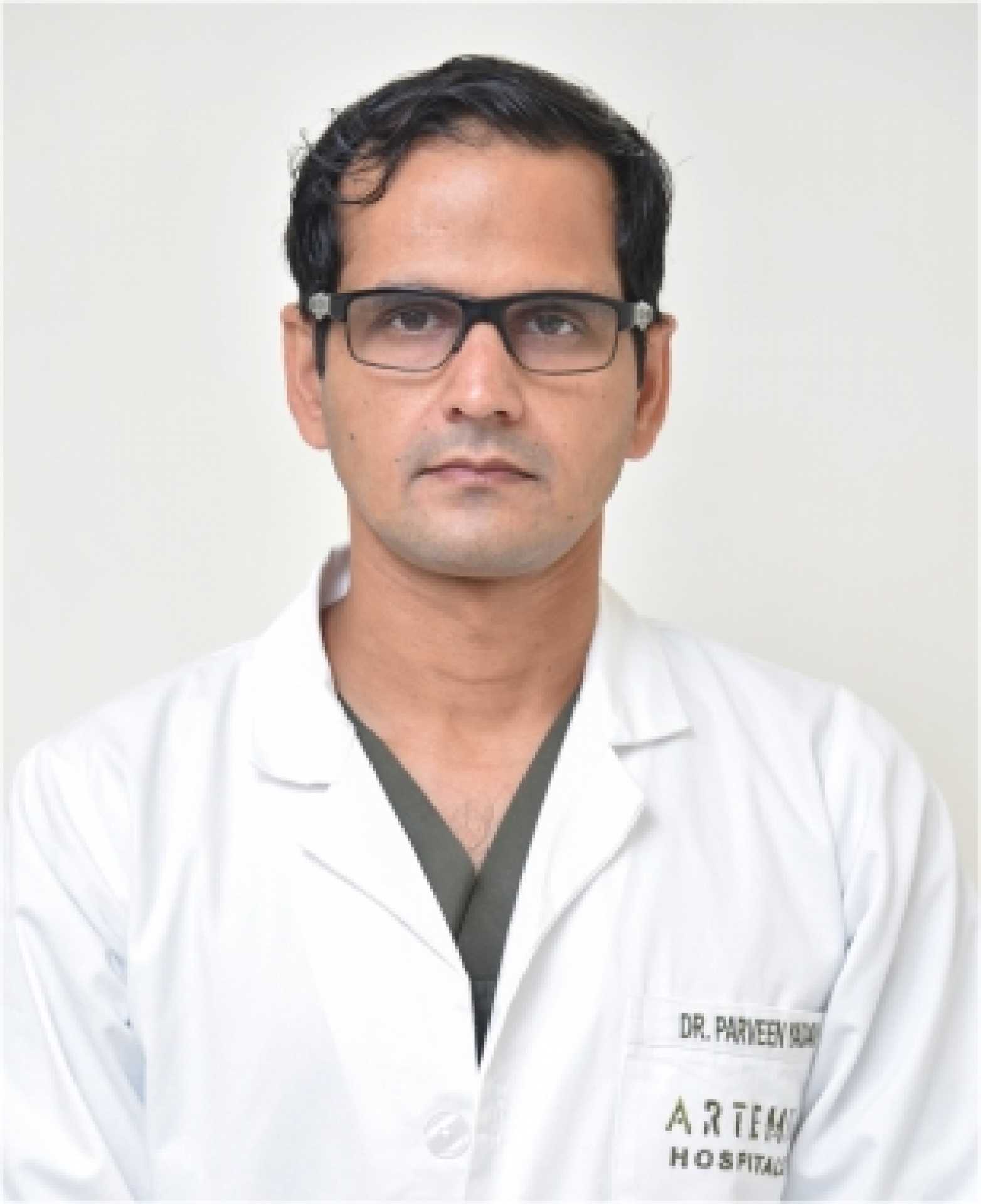
Board-certified specialists with experience in oncology treatment planning