

Diagnostic Laparoscopy
Diagnostic Laparoscopy is a minimally invasive procedure that allows a surgeon to examine the abdomen and pelvic organs through small incisions using a thin camera called a laparoscope. It can help identify conditions that may not be clearly diagnosed through imaging or other tests.
Why Choose us?
Value
Focused care
1+
Obstetrics & Gynecology Doctors
1+
Diagnostic Laparoscopy
12+
Hospitals Around the world
100%
Privacy protected
Overview
1. What is Diagnostic Laparoscopy?
Diagnostic laparoscopy involves inserting a small camera through a tiny incision in the abdomen to obtain a direct view of internal organs and tissues.
2. When is it Recommended?
It may be recommended when doctors need to investigate unexplained abdominal or pelvic pain, infertility, endometriosis, suspected abdominal disease, internal bleeding, adhesions or abnormalities identified on imaging.
3. What Symptoms May a Patient Notice?
Symptoms may include persistent abdominal or pelvic pain, unexplained bloating, infertility, abnormal bleeding, recurrent digestive symptoms or other unexplained abdominal problems.
4. What Does the Treatment Involve?
The procedure is usually performed under general anaesthesia. The surgeon makes a small incision, introduces carbon dioxide gas to create working space and inserts a laparoscope to examine the abdominal or pelvic organs. Biopsy samples may be taken when necessary.
5. What Are the Main Treatment Options?
Diagnostic laparoscopy may be used as an examination alone or combined with treatment during the same procedure. Depending on the findings, the surgeon may perform biopsy, removal of adhesions, treatment of endometriosis or other minor procedures.
6. How Long Does Treatment & Recovery Take?
The procedure commonly takes around 30–90 minutes, depending on its purpose and findings. Many patients can return home the same day or after one night. Recovery from uncomplicated diagnostic laparoscopy commonly takes around 1–2 weeks.
7. What Are the Important Risks or Considerations?
Diagnostic laparoscopy is an established minimally invasive procedure. Possible complications include bleeding, infection, injury to the bowel, bladder or blood vessels, anaesthesia-related complications and blood clots. Serious complications are uncommon.
8. Why Consider Treatment in India?
India has specialised laparoscopic surgery, gastroenterology, gynaecology and general surgery centres offering advanced minimally invasive diagnostic and therapeutic procedures.
9. How Can Medavelle Help?
Medavelle can assist with medical report and imaging review, specialist and hospital coordination, diagnostic planning, biopsy or additional procedure coordination, international patient arrangements and follow-up coordination.
10. What Should the Patient Do Next?
Share your reports/imaging → Specialist evaluation → Diagnostic assessment → Laparoscopy recommendation → Procedure planning in India.
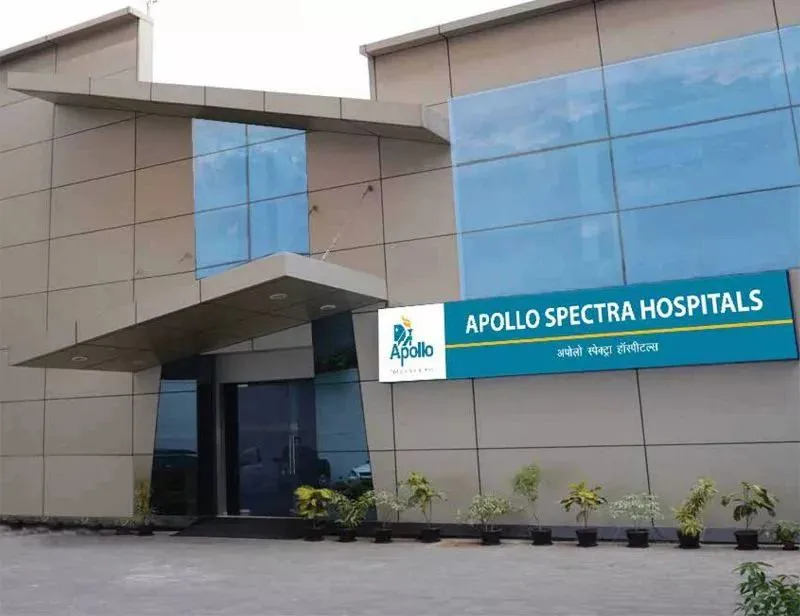
Top Obstetrics & Gynecology Hospitals
World-class healthcare facilities specializing in Diagnostic Laparoscopy with state-of-the-art technology

Expert Doctors for Diagnostic Laparoscopy
Board-certified specialists with experience in obstetrics & gynecology treatment planning