IVF / Infertility Treatment
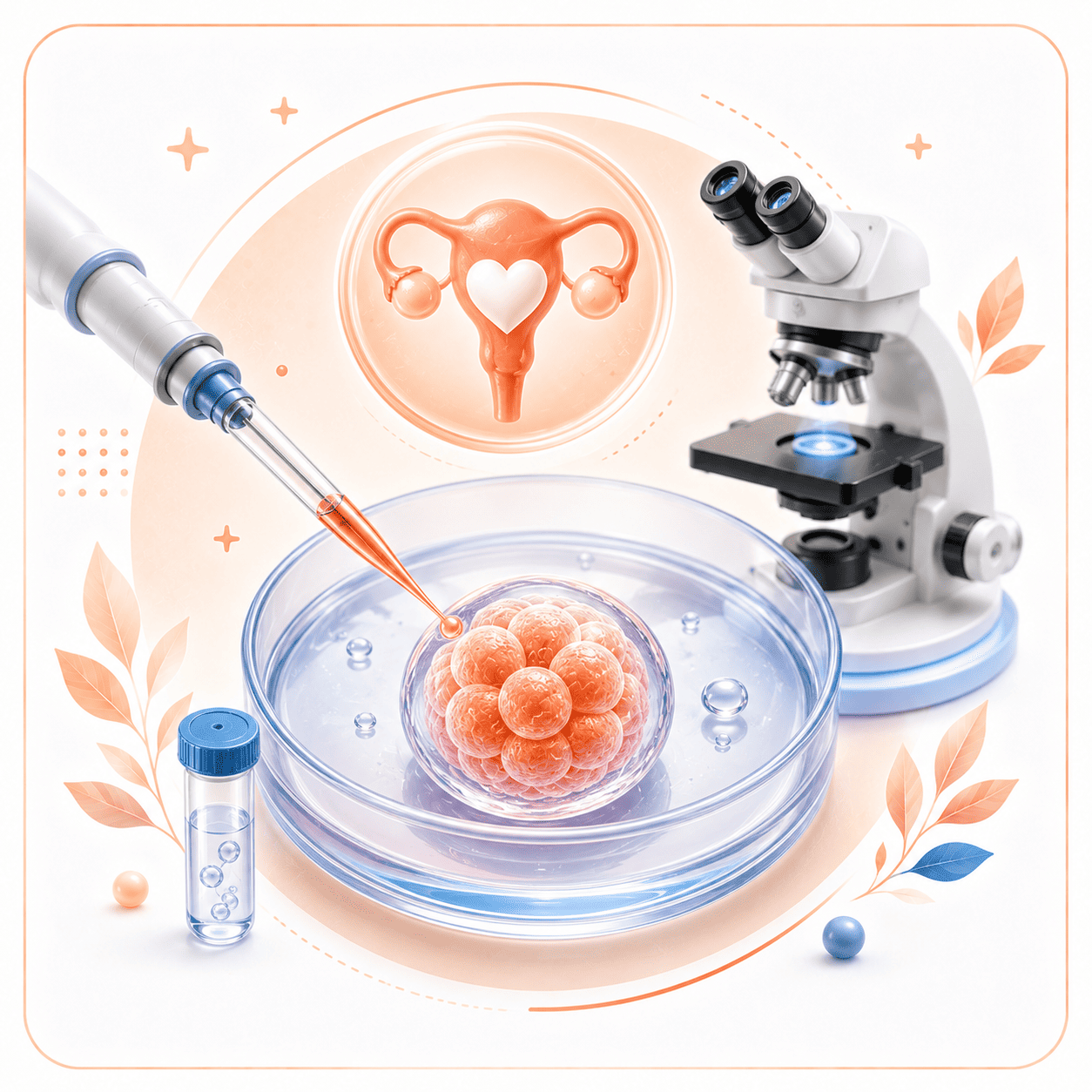
IVF (In Vitro Fertilisation) is an assisted reproductive treatment in which eggs are collected from the ovaries and fertilised with sperm in a specialised laboratory. Resulting embryos may then be transferred into the uterus to achieve pregnancy.
Need help in choosing the right package for your medical trip?
Chat to our experts nowYour health data is protected with us
Why Choose us?
Value
Focused care
1+
Obstetrics & Gynecology Doctors
1+
IVF / Infertility Treatment
3+
Hospitals Around the world
100%
Privacy protected
Overview
1. What is IVF?
IVF is an assisted reproductive technology involving ovarian stimulation, egg retrieval, fertilisation in a laboratory, embryo development and embryo transfer.
2. When is IVF Recommended?
IVF may be recommended for selected patients with:
- Blocked or damaged fallopian tubes
- Severe male-factor infertility
- Endometriosis
- Ovulation disorders
- Reduced ovarian reserve
- Unexplained infertility
- Previous unsuccessful fertility treatment
- Certain genetic conditions requiring specialised embryo testing
The appropriate treatment depends on the couple's fertility assessment.
3. What Does the Treatment Involve?
A typical IVF cycle includes:
Fertility assessment → Ovarian stimulation → Ultrasound & hormone monitoring → Egg retrieval → Sperm preparation → Laboratory fertilisation → Embryo culture → Embryo transfer → Pregnancy test
In selected cases, embryos may be frozen for future treatment.
4. How Long Does IVF Treatment Take?
A complete IVF cycle commonly takes approximately 2–6 weeks, depending on the treatment protocol and whether embryo transfer is performed in the same cycle.
Additional time may be required for:
- Frozen embryo transfer
- Genetic testing
- Additional fertility investigations
- Embryo freezing
5. What Are the Main IVF Techniques?
Depending on the cause of infertility, treatment may involve:
- Conventional IVF
- Intracytoplasmic Sperm Injection (ICSI)
- Frozen Embryo Transfer (FET)
- Blastocyst culture
- Preimplantation Genetic Testing (PGT) in selected cases
The fertility specialist recommends the appropriate technique after evaluation.
6. What Are the Success Rates?
IVF success varies considerably depending on:
- Female age
- Ovarian reserve
- Egg and sperm quality
- Cause of infertility
- Embryo quality
- Uterine factors
- Previous treatment history
A fertility specialist can provide a more individualised estimate after reviewing the couple's reports.
7. What Are the Possible Risks or Considerations?
Potential risks include:
- Side effects from fertility medicines
- Ovarian Hyperstimulation Syndrome (OHSS)
- Multiple pregnancy
- Bleeding or infection related to egg retrieval
- Emotional and financial stress
The fertility team monitors treatment closely to reduce and manage potential risks.
8. Why Consider IVF Treatment in India?
India has specialised fertility centres offering:
- Advanced embryology laboratories
- IVF and ICSI
- Embryo cryopreservation
- Genetic testing in appropriate cases
- Fertility specialists and multidisciplinary care
9. How Can Medavelle Help?
Medavelle can assist with:
Medical-record review → Fertility specialist coordination → Fertility-centre selection → Treatment planning → Cost estimation → International patient arrangements.
10. What Should the Patient Do Next?
Share fertility reports → Fertility specialist evaluation → Personalised IVF planning → Ovarian stimulation → Egg retrieval & fertilisation → Embryo transfer → Pregnancy test.
Top Obstetrics & Gynecology Hospitals
World-class healthcare facilities specializing in IVF / Infertility Treatment with state-of-the-art technology



Expert Doctors for IVF / Infertility Treatment
Board-certified specialists with experience in obstetrics & gynecology treatment planning