
Epilepsy
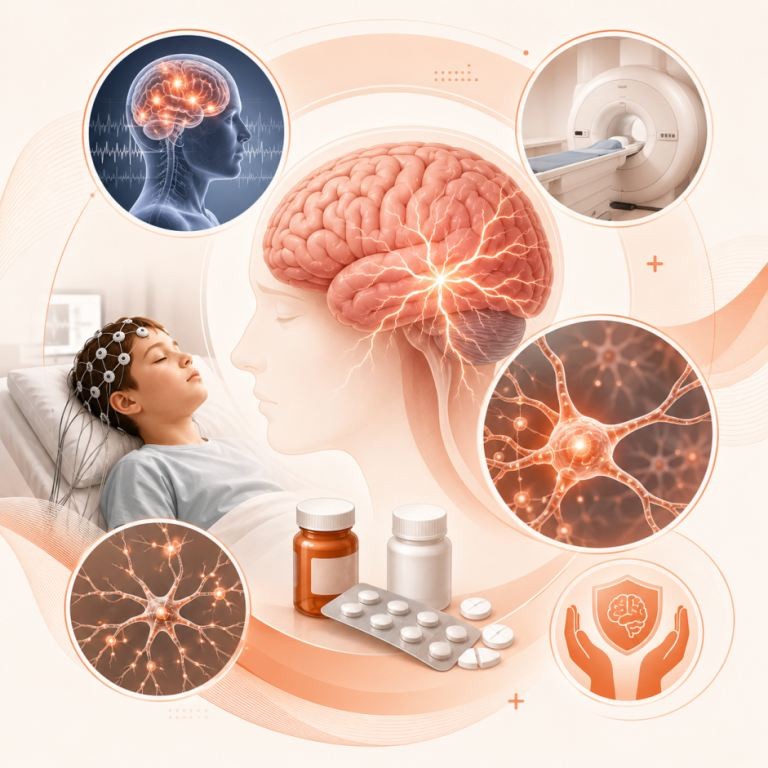
Epilepsy is a neurological disorder characterised by a tendency to have recurrent unprovoked seizures caused by abnormal electrical activity in the brain. Treatment is aimed at controlling seizures, identifying and treating their underlying cause, and improving the patient's quality of life.
Need help in choosing the right package for your medical trip?
Chat to our experts nowYour health data is protected with us
Why Choose us?
Value
Focused care
0+
Neuro / Spine Doctors
1+
Epilepsy
3+
Hospitals Around the world
100%
Privacy protected
Overview
1. What is Epilepsy?
Epilepsy occurs when abnormal electrical activity in the brain causes recurrent seizures. Seizures can vary from brief periods of impaired awareness to involuntary movements, loss of consciousness or other unusual sensations or behaviours.
2. When is Treatment Recommended?
Evaluation is recommended after recurrent unprovoked seizures or when a specialist suspects an epilepsy disorder. Treatment is tailored according to the seizure type, epilepsy syndrome, underlying cause, age and overall health.
3. What Symptoms May a Patient Notice?
Seizures may cause temporary loss of awareness, staring spells, uncontrolled jerking movements, muscle stiffening, unusual sensations, confusion, memory disturbance or loss of consciousness. Symptoms vary considerably between individuals.
4. What Does the Treatment Involve?
Evaluation commonly includes a detailed neurological assessment, Electroencephalography (EEG) and brain imaging such as Magnetic Resonance Imaging (MRI). Treatment may involve anti-seizure medicines, dietary therapy or, for selected drug-resistant cases, advanced interventions.
5. What Are the Main Treatment Options?
Treatment options include anti-seizure medications, ketogenic or other specialised dietary therapy, vagus nerve stimulation, responsive neurostimulation and epilepsy surgery in carefully selected patients whose seizures remain uncontrolled despite appropriate medicines.
6. How Long Does Treatment & Recovery Take?
Many patients require long-term anti-seizure medication and regular neurological follow-up. If surgery or another intervention is required, the treatment and recovery period depends on the specific procedure and patient's condition.
7. What Are the Important Risks or Considerations?
Some patients continue to experience seizures despite medication. Anti-seizure medicines can cause drowsiness, dizziness, coordination problems, mood changes or other side effects. Drug-resistant epilepsy may require evaluation at a specialised epilepsy centre.
8. Why Consider Treatment in India?
India has specialised neurology and epilepsy centres offering advanced EEG monitoring, epilepsy-protocol MRI, comprehensive seizure evaluation and multidisciplinary management, including surgical treatment for appropriately selected patients.
9. How Can Medavelle Help?
Medavelle can assist with neurology report review, EEG and MRI assessment, epilepsy-specialist coordination, diagnostic evaluation, treatment planning, hospital coordination and international patient arrangements.
10. What Should the Patient Do Next?
Share neurological reports → EEG & imaging review → Epilepsy specialist evaluation → Treatment selection → Seizure-management plan in India.
Top Neuro / Spine Hospitals
World-class healthcare facilities specializing in Epilepsy with state-of-the-art technology



Expert Doctors for Epilepsy
Board-certified specialists with experience in neuro / spine treatment planning
