ASD/VSD Device Closure
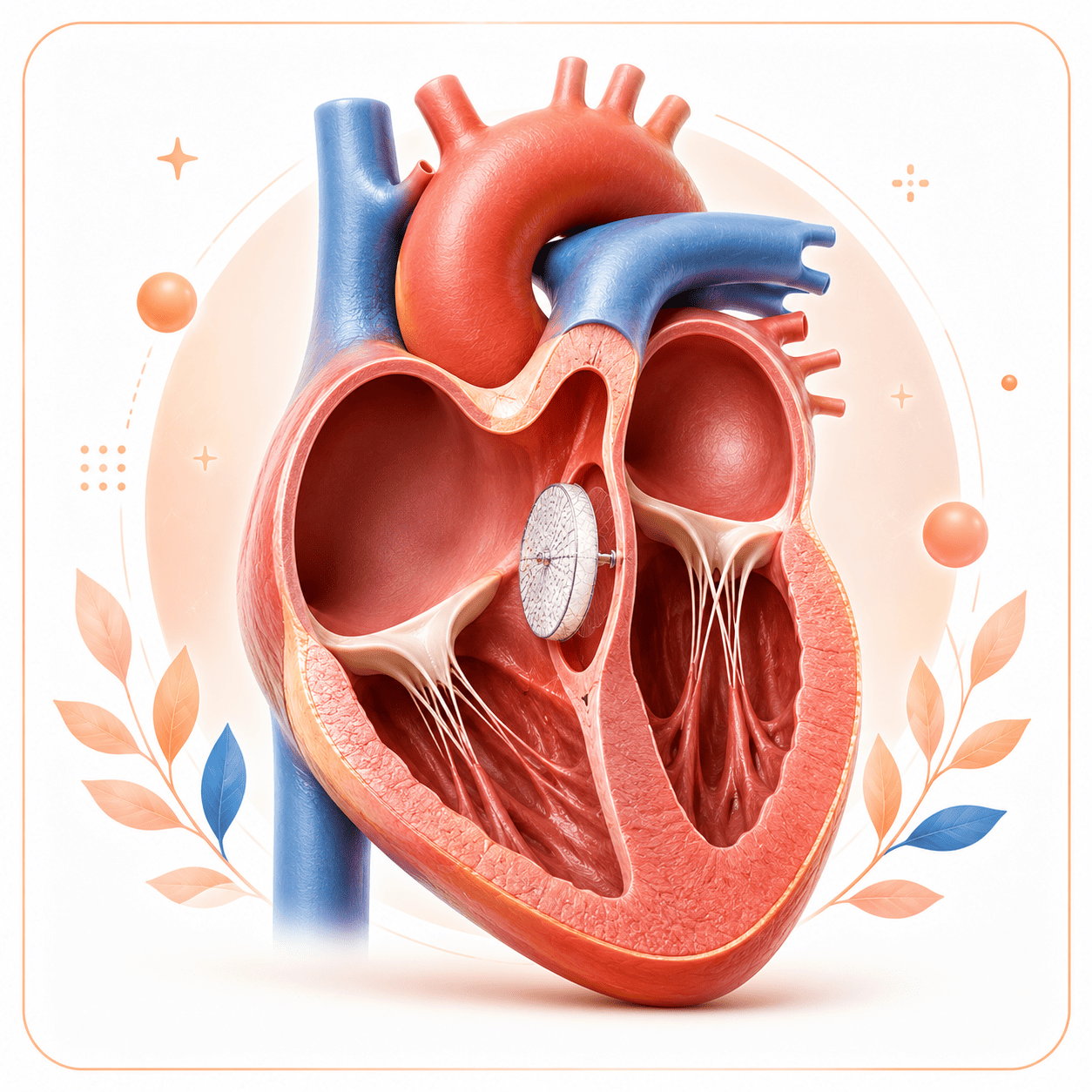
Atrial Septal Defect (ASD) / Ventricular Septal Defect (VSD) Device Closure is a minimally invasive procedure used to close certain holes in the heart without traditional open-heart surgery. A specially designed device is delivered through a catheter to seal the abnormal opening and improve blood circulation.
Need help in choosing the right package for your medical trip?
Chat to our experts nowYour health data is protected with us
Why Choose us?
Value
Focused care
5+
Cardiology Doctors
1+
ASD/VSD Device Closure
3+
Hospitals Around the world
100%
Privacy protected
Overview
1. What is ASD/VSD Device Closure?
An Atrial Septal Defect (ASD) is a hole between the heart's two upper chambers, while a Ventricular Septal Defect (VSD) is a hole between the two lower chambers. Device closure uses a specialised device to seal suitable defects.
2. When is Treatment Recommended?
It may be recommended when an ASD or VSD is significant enough to cause excessive blood flow to the lungs, enlargement of heart chambers or other effects on heart function. Most of these defects are present from birth.
3. What Symptoms May a Patient Notice?
Depending on the size of the defect, symptoms may include breathlessness, tiredness, poor weight gain in children, frequent respiratory infections, rapid heartbeat or reduced ability to exercise. Some patients may have no symptoms.
4. What Does the Treatment Involve?
A catheter is introduced through a blood vessel, usually in the groin, and guided to the heart. A closure device is positioned across the defect to seal the opening.
5. What Are the Main Treatment Options?
The main approach is catheter-based device closure for suitable defects. Some ASDs and VSDs may require surgical closure depending on their size, location and anatomy.
6. How Long Does Treatment & Recovery Take?
Device closure generally requires around 1–2 days in hospital, with many patients returning to normal activities relatively quickly. Recovery varies according to the defect and individual condition.
7. What Are the Important Risks or Considerations?
Device closure has high procedural success rates in appropriately selected patients, with published studies reporting success rates generally above 95% for suitable ASD and selected VSD closures. Regular follow-up is important to monitor the device and heart function.
8. Why Consider Treatment in India?
India has specialised paediatric and adult congenital heart centres performing catheter-based closure of suitable ASD and VSD defects, with experienced interventional cardiologists and dedicated cardiac facilities.
9. How Can Medavelle Help?
Medavelle can assist with medical report review, cardiologist coordination, hospital arrangements, treatment planning, international patient support and follow-up coordination.
10. What Should the Patient Do Next?
Share the cardiac reports → Specialist evaluation → Echocardiography and defect assessment → Treatment recommendation → Treatment planning in India.
Top Cardiology Hospitals
World-class healthcare facilities specializing in ASD/VSD Device Closure with state-of-the-art technology



Expert Doctors for ASD/VSD Device Closure
Board-certified specialists with experience in cardiology treatment planning