ASD Closure
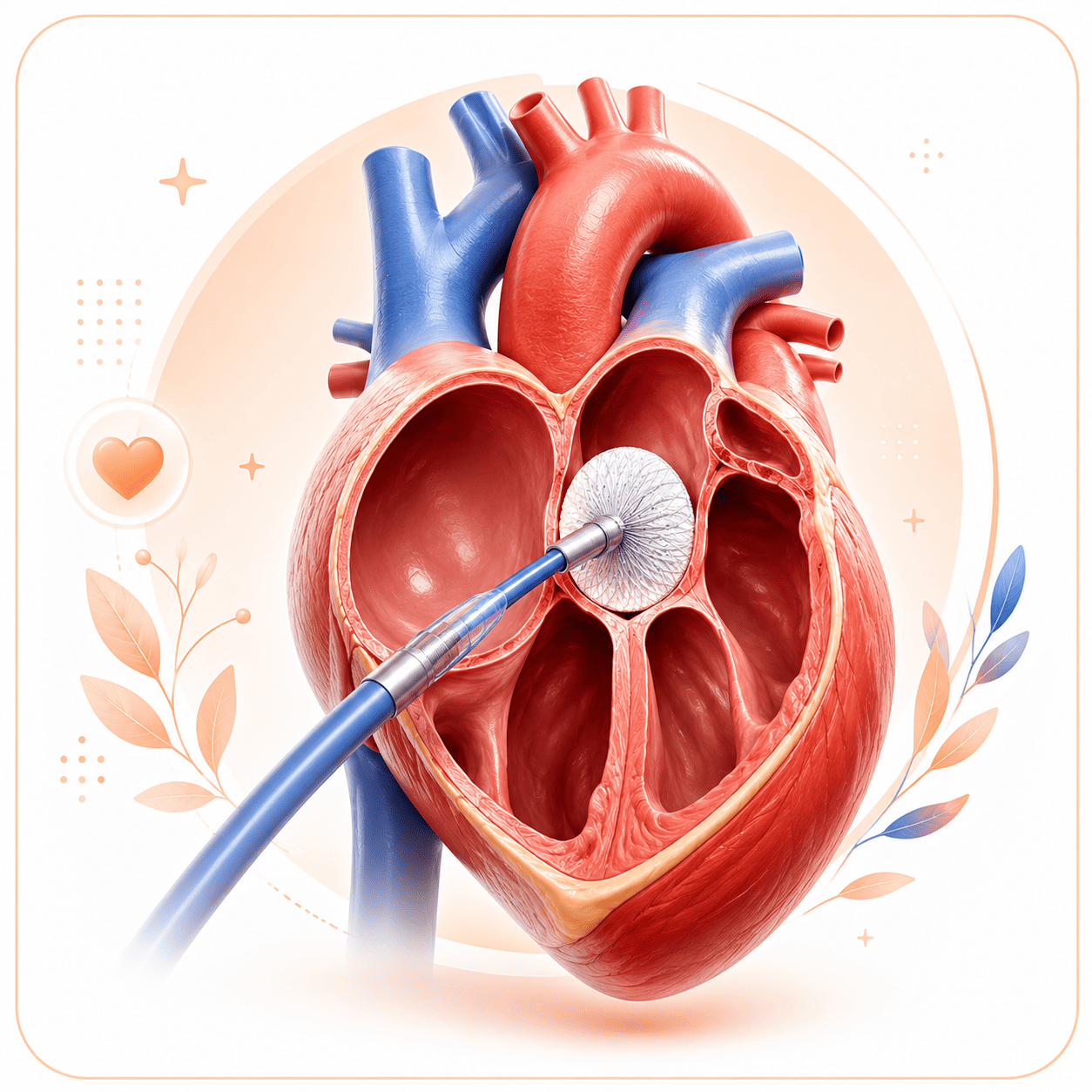
ASD (Atrial Septal Defect) Closure is a procedure to close an abnormal opening between the two upper chambers of the heart. Closure helps prevent excess blood flow to the lungs and reduces the risk of long-term complications.
Need help in choosing the right package for your medical trip?
Chat to our experts nowYour health data is protected with us
Why Choose us?
Value
Focused care
5+
Cardiology Doctors
1+
ASD Closure
3+
Hospitals Around the world
100%
Privacy protected
Overview
1. What is ASD Closure?
An atrial septal defect (ASD) is a hole in the wall between the heart's two upper chambers. ASD closure seals this opening so blood can flow through the heart more normally.
2. When is Treatment Recommended?
Closure may be recommended when an ASD is large or causes significant extra blood flow to the lungs, enlargement of the right side of the heart or other complications. Most ASDs are congenital, meaning they are present from birth.
3. What Symptoms May a Patient Notice?
Small ASDs may cause no symptoms. Larger defects may cause breathlessness, tiredness, frequent respiratory infections, palpitations, reduced exercise tolerance or swelling of the legs.
4. What Does the Treatment Involve?
Depending on the type and size of the defect, closure may be performed using a catheter-delivered closure device or through open-heart surgery.
5. What Are the Main Treatment Options?
The main approaches are transcatheter device closure and surgical closure. Device closure is suitable for selected ASDs with appropriate anatomy.
6. How Long Does Treatment & Recovery Take?
Catheter-based ASD closure may require approximately 1–2 days in hospital, while surgical closure generally requires a longer hospital stay and recovery. The exact duration depends on the procedure and patient's condition.
7. What Are the Important Risks or Considerations?
ASD closure has favourable outcomes, with published studies reporting device-closure success rates above 95% in suitable patients. Regular follow-up is important to monitor the heart and the closure device.
8. Why Consider Treatment in India?
India has specialised paediatric and adult congenital heart centres performing both catheter-based and surgical ASD closure, providing international patients access to experienced cardiology teams and advanced cardiac facilities.
9. How Can Medavelle Help?
Medavelle can assist with medical report review, cardiologist and cardiac surgeon coordination, hospital arrangements, treatment planning, international patient support and follow-up coordination.
10. What Should the Patient Do Next?
Share your cardiac reports → Cardiologist evaluation → Echocardiography & ASD assessment → Treatment recommendation → Treatment planning in India.
Top Cardiology Hospitals
World-class healthcare facilities specializing in ASD Closure with state-of-the-art technology



Expert Doctors for ASD Closure
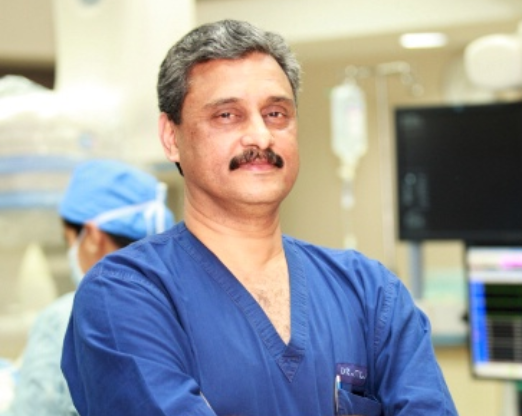
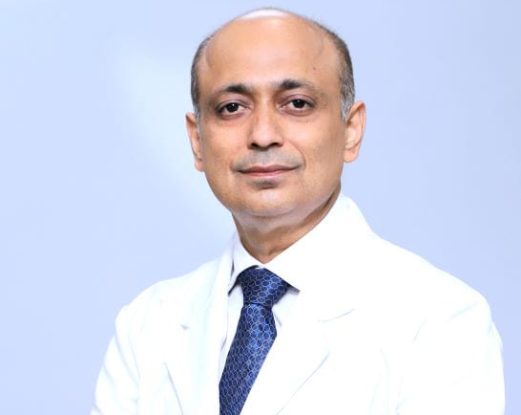
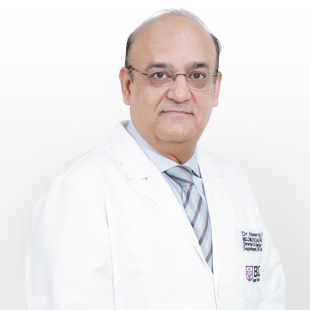
Board-certified specialists with experience in cardiology treatment planning